


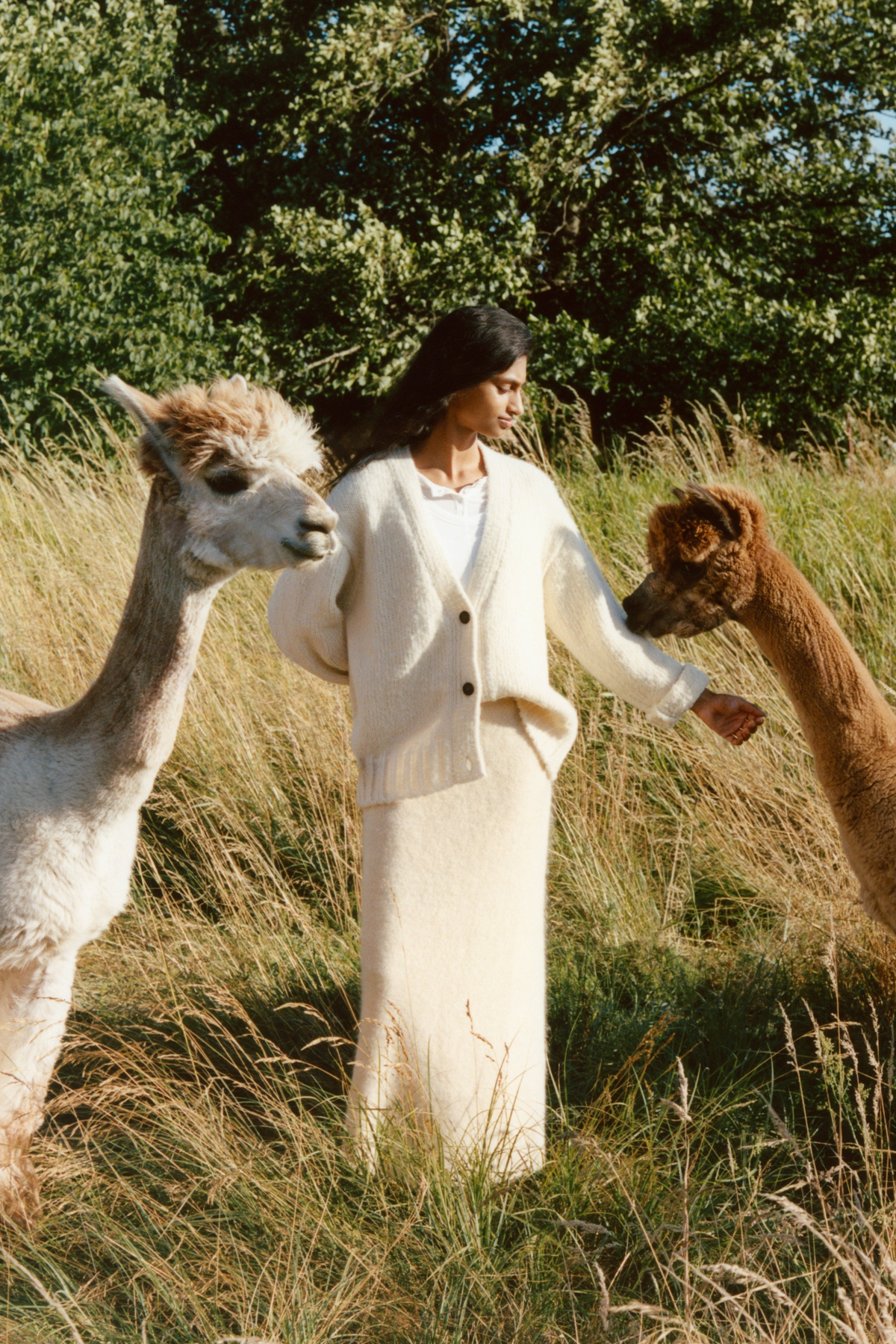



Sustainability Report
Published by Alpa. English edition, October 2026.
Welcome to Alpa's Sustainability Report
The clothing industry is in upheaval. Fast fashion, price competition and constant trend cycles set the direction for the whole sector. We have consciously chosen a different path. Our company has built its business on timelessness, quality and longevity, against the industry's rapid turnover and throwaway culture.
Alpa's strategy has been built on specialisation: focusing on one material, alpaca wool, and on products that are meant to stay in use for years.
We don't try to follow fashion trends. Instead, we want to offer an alternative to fast fashion and build demand around durable products.
Alpa has also gone against the current in its business model. At a time when many companies are pulling out of physical retail and focusing on fast online sales, Alpa has invested in its own stores and in building the brand for the long term. Our decisions are guided by the belief that consumer values are shifting towards more sustainable consumption and more considered purchases.
Alpa's story reflects a wider change: even though the industry as a whole struggles to combine profitability and sustainability, it is possible to build a growing business based on quality, transparency and long-lasting products. In this report, we show how this approach works in practice across Alpa's operations and value chain.
We have reported on our sustainability for five years now, in increasing detail. This year, we took a critical look at which metrics genuinely guide our work and which easily end up being measured for measuring's sake. We want to focus on what is practical and on the areas where we can make a real difference, and to report on them clearly.
For this reason, we have simplified our calculations and now use only the carbon footprint calculator of the Carbon Neutral Textile Industry 2035 commitment. Previously, we used several other calculators alongside it. Our calculations are still based on the GHG Protocol, the world's most widely used carbon footprint standard. Please note that total emissions are not directly comparable with previous years, as the calculation method has developed in various ways every year. We are happy to share more detailed information on the calculations and the underlying data on request, for example with journalists and organisations.
Please don't hesitate to get in touch if you have any questions.
Enjoy the read!
Contents
1.1. Alpa in a nutshell
2.1. Alpa's life cycle services
2.2. Knitwear care
2.3. A checklist for the responsible consumer
3.1. The alpaca
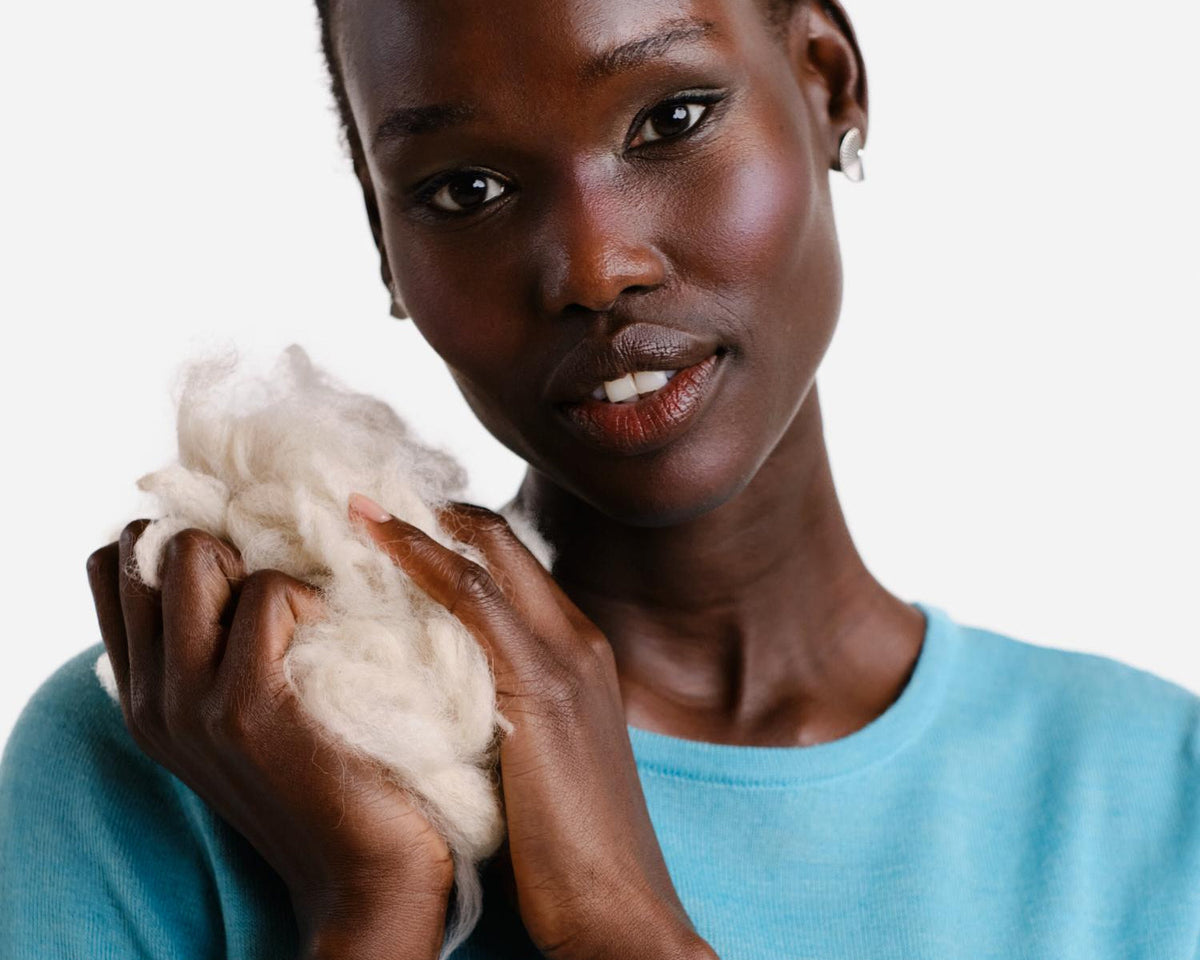
3.2. Alpaca wool
3.3. Silk
3.4. The ethics of animal fibres
3.5. Components
3.6. Fibre cost comparison
4.1. Products
4.2. Factories
4.3. Product safety
5.1. Packaging materials
5.2. Logistics
5.3. Waste management
6.1. Total emissions
6.2. Emissions from operations in Finland
6.3. Production emissions
6.4. Freight emissions
7.1. Social responsibility
7.2. Economic responsibility
7.3. Risk management
7.4. Goals

1. Alpa
Alpa is a textile and clothing company founded in 2012 in Jyväskylä, Finland, making alpaca wool knitwear. Our goal is simple: to make the best knitwear in the world, clothes that stand the test of time in both wear and style.
We design versatile, high-quality knitwear that works for everyday life and special occasions all year round. We want to make clothes you can rely on: they feel good to wear, stand up to use and stay in good shape year after year.
Our designs often stay in the collection for years, and we keep developing them, for example in colours and details.
Ethics, ecology and transparency guide everything we do. We are open about our production and ways of working, we stand behind the quality of our products, and we offer care and repairs throughout their life cycle. We also help with recycling when a product reaches the end of its life.
We believe that a high-quality, long-lasting garment is often the better choice for both the environment and your wallet. That is why we are also open about how the prices of our products are made up.
Our customers matter to us. Whatever you want to talk to us about, we are always listening.
1.1. Alpa in a nutshell
Company
- Company based in Jyväskylä, Finland, founded in 2012
- Alpaca wool knitwear for adults
- Online stores: alpa.fi + alpaknitwear.com
- Stores: Jyväskylä, Helsinki, Tampere
- Ethics and ecology
- High-quality products and services
- Circular economy and development
- Transparency and sustainable business
- Responsible Finnish design
- Alpa repair service + free repair yarn (in Finland)
- Alpa 2nd Hand: pre-owned knitwear (in Finland)
- Alpa Take‑Back: knitwear recycling (in Finland)
Environment
- Peruvian Huacaya alpaca wool
- Chinese mulberry silk
- Countries of production: Lithuania, Peru, Italy, China
- All yarns are OEKO-TEX and Fair Trade Peru certified.
- Yarn production (excluding dyeing) is GOTS organic certified
- Yarns are dyed with synthetic dyes
- Total emissions in 2024 863 t CO₂e
- Scope 1 and 2 carbon neutral since the end of 2022, using 100% renewable energy
- Part of the Carbon Neutral Textile Industry 2035 commitment
- Largest emission sources: raw material sourcing, manufacturing, logistics
- Our knits are typically knitted to shape, which minimises cutting waste
- Our knits are recyclable and biodegradable
- Any cutting waste and take-back knits are collected for upcycling
- In Alpa's own operations, all waste is sorted and recovered
Responsibilities
- Reducing Scope 3 emissions relative to revenue growth
- Annual emissions calculation, monitoring and identifying areas for improvement
- Reducing waste in our own operations and improving recycling
- Developing ways to upcycle waste material
- Customer-focused service, openness and advice
- Around 45 employees in Finland
- Long-term, direct supplier relationships
- Our partners commit to our Code of Conduct, which is based on the ILO conventions.
- Long-term, sustainable business
- A healthy product price structure. Consistent pricing without massive sales campaigns.
- Quality over quantity in production
- Preserving the resale value of our knitwear
- Recycling and waste fees paid to EU countries

2. The life cycle of a knit
Alpa actively works to reduce throwaway culture and fast fashion by making durable, timeless knitwear.
Our goal is for every product to stay in use for years and to be repairable when needed.
What we do in practice:
- Designed to last
- High-quality materials
- Responsible production
- Care advice
- Repair service
- Buy-back
2.1. Alpa's life cycle services
In spring 2019, we launched our 2nd Hand concept, which passes pre-owned knitwear on to new owners. Customers can return their used Alpa products in exchange for a gift card, whose value depends on the condition and original value of the item. Returned knits are assessed, washed, cared for and resold in our online store and in our stores.
The service has been popular and supports responsible consumption, as the climate impact of a pre-owned product is smaller than that of a new one. With our 2nd Hand concept, Alpa also challenges other companies to extend the life of their products. In 2024, sales of Alpa 2nd Hand knitwear grew by 22% compared with the previous year. So far, we have passed on almost 8,000 cared-for, pre-owned knits to our customers.
This service is currently available in Finland only.
Alpa's repair service opened in October 2018. With the service, we make sure that no knit goes unused because of a small flaw. Our repairs include darning holes, re-turning and re-sewing worn cuffs and elbow patches, as well as washing. When needed, we can also send customers free repair yarn. This extends the life of our knitwear and reduces unnecessary environmental impact. We have an average of around 415 knits repaired each year. In total, our repair service has already extended the life of more than 2,400 knits.
This service is currently available in Finland only.
In 2020, we launched the Alpa Take-Back service, through which customers can return their worn-out knits. We make sure the products are properly recycled and the material is recovered. For each return, the customer receives a €10 gift card for our store. This way, we make sure valuable materials go back into circulation and get a new life as new products. Since 2020, we have collected only around 120 kg of take-back knits, which reflects how long our knitwear stays in use. We are currently piloting ways to upcycle the material.
This service is currently available in Finland only.

2.2. Knitwear care
A significant part of the environmental impact of clothing arises during its life cycle, while the product is in the consumer's hands. According to the Finnish Textile and Fashion association, “material development, efficient washing methods and educating consumers about the proper care of clothing, especially washing temperatures, have a significant effect on the environmental impact of textiles” (2016). This of course does not remove the manufacturer's responsibility. Still, how well a knit is cared for directly affects how often new knits need to be bought.
Environmental impacts during use relate, for example, to washing and, in the case of synthetic clothing, to microplastics ending up in waterways. A garment's durability and lifespan can be influenced through material choices, design and production, but also by the wearer's habits. When a garment is used incorrectly or excessively, it wears out faster, and sooner or later it will need care or repairs.
Alpaca wool knitwear should primarily be aired rather than washed, and stains should be removed locally. If the whole knit needs washing, the recommended method is hand washing in cool water. Because washing is rarely needed, the environmental burden and wear caused by using the knit remain small.
We think it is important to treat clothing as valuable and long-lasting, not as disposable. By avoiding washing, following care instructions, using the right care and repair methods, and by recycling and reusing, the environmental impact of a single garment can be reduced significantly.
Using and caring for a garment responsibly reduces its environmental impact. You can read our recommendations for alpaca wool knitwear in the next section.
2.3. A checklist for the responsible consumer
-
Make use of Alpa's colour families
Choose colours that suit you and go with the rest of your wardrobe. Our colour descriptions and customer service are happy to help you choose.
-
Timeless, versatile style
Choose clothes that outlast fashion trends.
-
One delivery
When ordering online, try to combine products into a single delivery.
-
Responsible delivery choices
Collect your order from a pick-up point on foot, by bike or by public transport, and bring your own bag.
-
Keep returns to a minimum
Use the size guide, product photos and reviews to choose the right size the first time.
-
Undyed or light colours instead of dark
Light colours are gentler on the fibres. The darker the colour, the longer the dyeing time and the stronger the chemicals.
-
Tightly knitted styles
Choose a tightly knitted style, which pills less easily than a looser knit. That way your knit needs care as rarely as possible.
Responsible consumer habits directly help reduce the textile industry's carbon footprint and make clothes last longer.
-
Airing and spot cleaning
Most of the time, a knit is better aired than washed. Small stains and underarms can be cleaned locally.
-
Hand wash in cool water when needed
Avoiding unnecessary washing saves water and detergent and reduces wear. If the whole knit needs washing, wash it by hand in cool water, swirling gently.
-
Value your clothes and extend their life
Proper care, repairs and careful use extend the life of a garment.
-
Wear your knit
The more you wear your knit, the smaller its environmental impact per wear.
-
Recycle and reuse
Reuse and recycling help keep the materials and resources in a product in use for as long as possible.
3. Materials
We only use high-quality natural fibres in our knitwear, as they are the better choice for both people and the environment. Natural fibres are comfortable to wear, and they are also biodegradable and easier to recycle than fibre blends containing plastic.
Around 96% of the yarn Alpa uses is alpaca wool and 4% is silk.
3.1. The alpaca
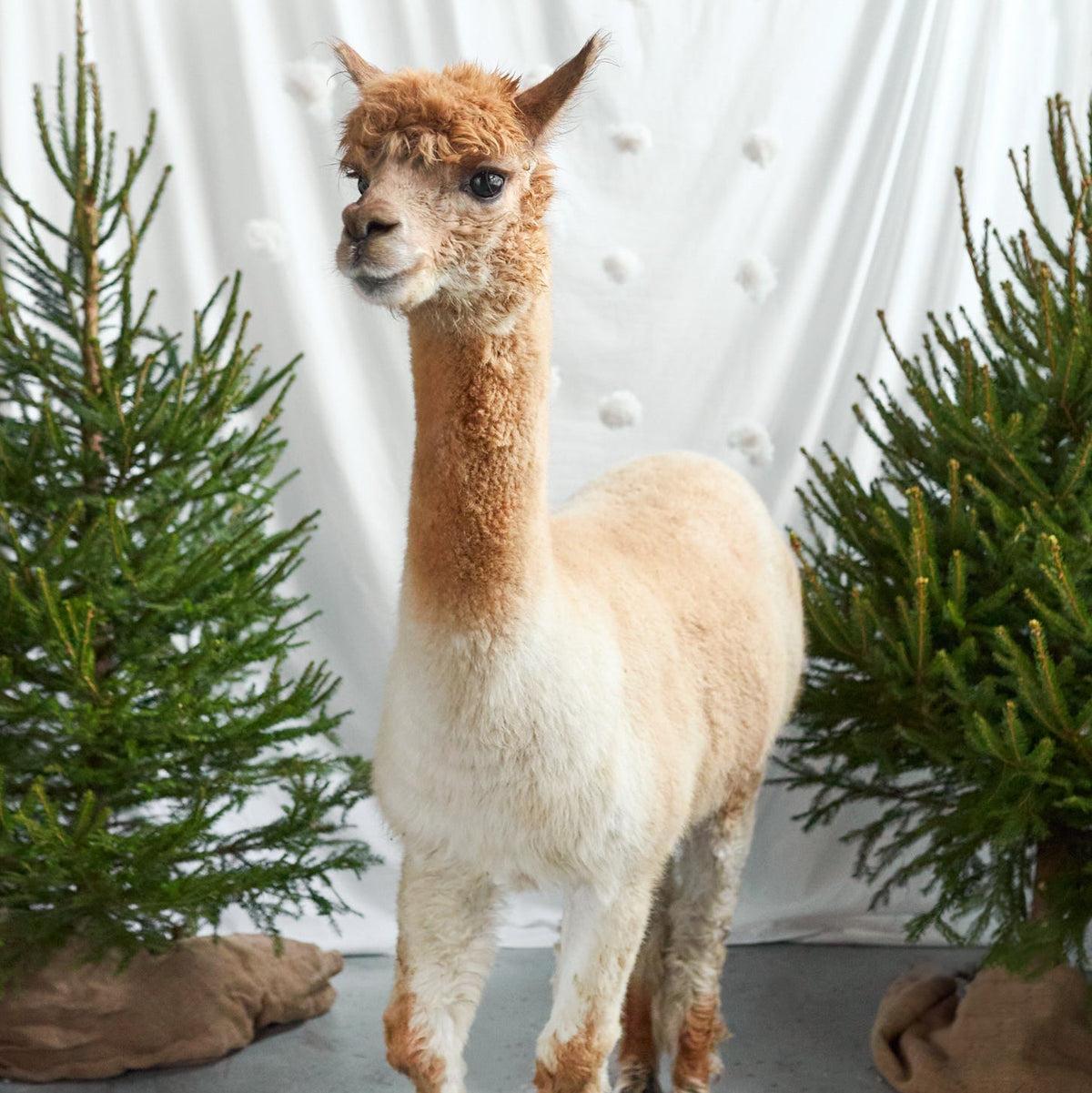
There are relatively few alpacas in the world, an estimated just over 6 million, while in Finland there are estimated to be just over 1,300 (Finnish Alpaca and Llama Association). Over 85% of the world's alpacas graze high in the Andes in Peru, at altitudes of several thousand metres. Alpacas are not factory farmed, and they carry only one offspring, called a cria, at a time, for up to 11 months.
As a result of breeding, alpacas need to be shorn roughly every 12 months, as otherwise their fleece grows too thick. One alpaca produces around 2–3 kilos of wool a year. The wool Alpa uses comes from the more common Huacaya breed. Over thousands of years, alpaca wool has evolved to adapt to a changing climate, which explains its excellent temperature-regulating properties (The History of the Alpaca, Michell).
Alpacas have long been culturally valued animals, and their wool was once reserved for royalty. Today, alpacas are an important source of income for local communities, as their wool is valuable. Shearing takes up only a small part of the year, and the alpaca's long life and value encourage good treatment of the animal. The same applies to high-quality clothing: a valuable and durable product is cared for and appreciated more than cheap fast fashion.
-
How they graze
Alpacas graze semi-wild and are not factory farmed. They do well on the food they find in nature.
-
Lower emissions
Unlike sheep and goats, alpacas are not ruminants, which means they produce significantly less methane.
-
Gentle on the soil
Alpacas' soft padded feet don't wear down the soil, and they don't eat plants down to the roots, unlike sheep and goats. Alpaca droppings can be used as a soil nutrient as they are.
-
No mulesing
Alpacas don't need mulesing, a key difference from sheep, on which this painful practice is still used in some countries.
3.2. Alpaca wool
Alpaca wool is a warm, durable and dirt-repellent material with a long life cycle.
Alpaca wool is rare and expensive, so minimising waste is important. Our most common qualities are Fine Special Alpaca for knits that need to withstand wear, Baby Alpaca for smooth, firm knits and Premium Baby Alpaca for very fine products.
Durability and a beautiful look
Alpaca wool feels smooth and pleasant against the skin. Both the wool itself and its beautiful sheen stay in excellent condition for a long time. The softness of the wool depends on both the type of knit and the quality of the wool, but the material only gets better with wear. A smooth knit feels softer, and the alpaca's undercoat, baby alpaca, is especially soft. With wear, however, all alpaca wool knits become softer over time.
Little need for cleaning
Alpaca wool wicks moisture, keeping the skin dry even when you sweat, and moisture doesn't stay clammy in the garment, as the material quickly passes it on. This also makes alpaca wool an excellent material for light exercise. Even after sweating, the knit doesn't need frequent washing, as the wool repels odours and, thanks to its antibacterial properties, cleans itself.
Excellent temperature regulation
Alpaca wool has unique temperature-regulating properties: it cools when it's hot and warms when it's cold. This makes alpaca wool an ideal material for both the Finnish summer and winter.
Naturally safe
Alpaca wool is naturally fire-resistant and self-extinguishing. It doesn't need to be treated with chemicals such as flame retardants or anti-mould agents, and it doesn't shed microplastics. Unlike cultivated textile fibres, alpaca wool requires no pesticides.
-
Resists pilling
Thanks to its smooth, long and less crimped fibre, alpaca wool hardly pills at all.
-
Light and warm
The hollow fibre structure of alpaca wool makes it a warmer and lighter material.
-
Water-repellent and quick-drying
Alpaca wool repels water more effectively and dries faster.
-
Hypoallergenic
Alpaca wool contains no lanolin (wool grease), which makes it suitable for people with wool allergies.
-
Little need for cleaning
The absence of wool grease and the smooth fibre structure keep alpaca wool naturally cleaner. This significantly reduces the need for water and chemicals in both fibre production and use.
3.3. Silk
Our yarn supplier sources the silk used in our yarns from China. It is mulberry silk produced using conventional methods. Silk produced this way has a more even quality and a longer fibre length, which improves the durability and comfort of the yarn.
All silk used by our yarn supplier is OEKO-TEX certified. This means the different stages of production are regulated and inspected annually, and no chemicals harmful to people or the environment are used in the process. The silk in our yarns comes from the Shanghai region, which has a long tradition of silk production. Wastewater from production is treated before it is returned to nature. The silk for our silk scarves woven in Italy is produced in the Zhenjiang region.
We are committed to ensuring that no raw materials from the Xinjiang Uyghur Autonomous Region are used in our products. We do not accept forced labour at any stage of our supply chain.
Silk production also consumes natural resources such as water, energy and chemicals. Fortunately, silk's high quality and longevity make up for this: silk is a durable and fully biodegradable fibre that works especially well against the skin.
3.4. The ethics of animal fibres
Using animal fibres raises ethical questions, and no textile fibre is entirely without impact. At Alpa, we believe sustainability should be assessed as a whole rather than on the basis of individual properties. For alpaca wool, the key questions are animal welfare, the livelihoods of local communities, biodiversity, climate impact and the lifespan of the product.
When the whole life cycle is considered, semi-wild alpacas that are shorn with respect can in many cases be an ethical choice. Alpaca wool production is an important livelihood for communities in the Andean highlands, where alternative sources of income are limited. Alpacas also make use of land that is unsuitable for growing most crops.
Comparing different fibres is not straightforward, however. Cotton production can require a lot of water, land and pesticides, and clearing forests for fields, for example, destroys the habitats of many plant and animal species. Synthetic fibres, on the other hand, are mostly based on fossil raw materials and can release microplastics into the environment during use. The production of other animal fibres also has its own challenges, related for example to grazing, animal welfare and climate impact.
That is why sustainability can't be judged solely on whether a fibre comes from an animal or not. What matters is how the raw material is produced, how long the final product lasts and how many times it is worn. A long-lasting, repairable garment in active use can, overall, be a better choice for the environment than a product that wears out quickly or has a short life, whatever its material.
3.5. Components
Zips
Slider and pull made of nickel-free metal alloy, teeth made of plastic. The Natulon zip tape is recycled polyester. Made in Taiwan.
Buttons
The buttons used in Alpa products are made of metal alloy, paper or corozo, and they are sourced from Europe.
Corozo (tagua nut) buttons
Made from the seeds of the tagua palm, which grows in the rainforests of South America. A high-quality and responsible alternative to bone or horn buttons. Made in the Czech Republic.
Metal buttons
Zamak alloy. Composition: 95% zinc, 4% alloy, 1% copper. Made in Italy.
3.6. Fibre production cost comparison
The price of a knit is made up of many factors, and the raw material is one of the most significant. There are major differences between textile fibres in production volumes, availability, quality and market prices.
As the price level of knitwear sometimes raises questions, we wanted to give a simplified overview of the markets and cost structures behind textile fibres.
The comparison shows the global production volumes of different fibres, the average price levels of raw fibres and the wage levels in the textile industry of key producing countries. The aim is to help explain why the cost structures of different materials can differ significantly.
The prices and wages shown in the table are indicative estimates of global markets in 2024–2025. They vary constantly depending on time, market conditions, quality, country of origin and other factors. Please also note that wages have been converted into euros with a currency converter, and exchange rates also change constantly.
Note: the fibre prices shown correspond to the average price in the fibre's main producing country. In addition, the price of sheep's wool is based specifically on the Australian merino wool market, even though the production volume corresponds to global sheep's wool production.
| Textile fibre | Global annual production | Main producing country | Average raw fibre price in main producing country (€/kg) | Average hourly wage in the textile industry in main producing country |
|---|---|---|---|---|
| Alpaca | 6,200 t | Peru | €23–40 | PEN 11 ~€2.77 |
| Silk | 91,415 t | China | €23–35 | CNY 31.98 ~€4.05 |
| Sheep's wool | 1.98 million t | Australia | €10–13 (merino) | AUD 30.01 ~€18.48 |
| Cashmere | 25,611 t | China | €64–101 | CNY 31.98 ~€4.05 |
| Mohair | 4,748 t | South Africa | €18–32 | ZAR 83 ~€4.37 |
| Cotton | 24.5 million t | China | €1.7–2.2 | CNY 31.98 ~€4.05 |
| Polyester | 77.7 million t | China | €0.8–1.5 | CNY 31.98 ~€4.05 |
| Acrylic | 1.58 million t | China | €2–3 | CNY 31.98 ~€4.05 |
For comparison, this table also shows average hourly wages in the textile industry in the countries where Alpa has knitwear production. These countries do not produce textile fibres.
| Production country | Average hourly wage in the textile industry |
|---|---|
| Lithuania | €8.09 |
| Italy | €12.44 |
| Finland | €17.98 |
The wages shown in the table are indicative estimates of the average gross wages of textile production workers in selected producing countries. For comparison with the fibre-producing countries in table 1, table 2 shows average wages in the countries where Alpa's knitwear is made. Please note that wages in the textile industry also vary enormously depending on the role, employer and market situation. You can find the sources used at the end of the report.
The tables illustrate the significant differences between textile fibres in production volumes, raw material prices and wage levels in producing countries. Synthetic fibres, especially polyester, dominate global textile fibre production by a wide margin. Each year, almost 40 times more polyester is produced than all sheep's wool combined, and over 12,000 times more than alpaca fibre.
In the raw fibre price comparison, the most valuable materials are cashmere, alpaca and mohair. Their limited availability, slower production and the properties of animal-based natural fibres raise their price level significantly compared with mass-produced fibres. The most affordable raw materials, in turn, are polyester and cotton, which are produced in vast quantities worldwide.
The wage level of the producing country also has a significant effect on manufacturing costs. According to the table, textile manufacturing is cheapest in Peru and China, where average hourly wages in the textile industry are the lowest of the countries compared. The highest wage levels are in Finland and Italy, which partly increases the cost of products made in Europe.
However, the final retail price of a garment is not determined by the raw material or the country of manufacture alone. The price is also affected by, for example, product design, manufacturing methods, production volumes, logistics, repairability, resale and the company's other operating costs. The table gives an overview of the starting points from which different textile materials and products come to market.
4. Production

4.1. Products
Alpa's collections are designed in Finland to last beyond a single season, and stock is replenished as needed, which allows fast turnover and little surplus. We prevent overproduction through careful demand planning and by making products in small batches.
Quality is ensured through careful testing. New knit designs and materials are wear-tested before production, and we respond quickly to any complaints. Faulty products are repaired, refunded or returned to sale after being cared for.
In the following sections, you can get to know our partner factories. We are happy to share more detailed manufacturer information on request, for example with journalists and organisations.
Knitwear
Our knitwear is produced in Lithuania at three factories that we are in constant contact with. Most knits are knitted directly to shape, which reduces material waste. Surplus material from production, such as prototypes and knitting by-products, is sent to Finland for further processing.
Knitwear makes up around 98% of the products Alpa manufactures and beanies the remaining 2%. Scarves are not part of our own production; we buy them in from our partners. In addition, we have just started making knitted fabric in Finland for a few products, which are assembled in Lithuania like our other knits.

Accessories
Beanies account for around 2% of Alpa's total production. All beanies are made in Finland, in Tampere and Central Ostrobothnia. All beanies are 100% alpaca wool.
Scarves are not made by Alpa but bought in. Most scarves are made in Peru, with a small share made in Finland and Italy. Most scarves are 100% alpaca wool, and some are partly or entirely silk.
Gloves are made in Central Ostrobothnia using Alpa's leftover yarns. They include mittens and gloves, which are 100% alpaca wool.
Care products
Detergent: For washing knitwear and removing stains, Alpa recommends environmentally friendly Marseille soap, made in Marseille, France.
Knit brushes: We recommend brushing knitwear to prevent and remove pilling. Our knit brushes are made from natural materials in Germany.
FSC-certified cedar wood balls and rings: Freshen up your wardrobe and protect against textile pests. Made in China.
Clothes hangers: We sell our customers the same hangers we use in our own stores. High-quality hangers last and help knits keep their shape. Thanks to the velvet surface, knits also stay in place when airing. Made of wood in China.

4.2. Factories
Alpa's most important stakeholders include our yarn supplier in Peru and our production partners in Finland and Lithuania. When choosing partners, we value long-term relationships, as we believe they promote trust, responsibility and continuous improvement. Our goal is not to find the cheapest supplier but reliable and responsible partners. Alpa does not own any factories, and almost all of our products are made in low-risk countries.
Knitwear production and the Lithuanian factories
Most of Alpa's knitwear production takes place in Lithuania in cooperation with three Lithuanian factories. The criteria for choosing the factories have been high-quality work, strong expertise, staff wellbeing and good communication.
In addition to our Finnish contact person, Alpa's staff regularly visit the Lithuanian factories, and we are in contact with them every week.
Our largest partner factory holds ISO 14001, ISO 9001 and EMAS certifications. The factory produces part of the energy it uses with its own solar panels, and the rest of the energy it buys is also emission-free.
In addition, our main partner factory in Finland holds ISO 14001 and ISO 9001 certifications. Most of our knitwear factories run entirely on carbon-neutral energy, and all of them at least partly.

Yarn supplier
The alpaca yarn Alpa uses comes from Peru, the home of the alpaca.
Our yarn supplier is a wholesaler that buys wool from small and medium-sized local producers. The alpaca wool Alpa uses comes from these producers. We chose our yarn supplier carefully on site, and finding the right partner was a long process. That is why Alpa wants to maintain a long-term relationship with its yarn supplier too, and we talk to them directly without intermediaries. Alpa also wants to strengthen its position as an important customer and, through that, work with the supplier to improve working conditions.
Michell y Cia S.A.
We started working with Michell in 2012, the year Alpa was founded. Michell is one of Peru's leading alpaca wool producers, with decades of expertise in raising alpacas and processing alpaca wool. Michell was founded in 1931. Their farm has more than 4,000 alpacas on 3,000 hectares.
The alpaca yarn we use is produced from start to finish in Peru, where Michell also sorts, processes, spins and dyes the yarn.
At Michell's own alpaca farm, animal welfare comes first: shearers are paid by the hour, which encourages careful shearing, and third-party audits ensure ethical treatment. The farm holds USDA Organic, GOTS and EU organic certifications.
Surplus from yarn production is recycled, and the yarn supplier uses part of it to make new recycled yarn. Recycled yarn is not currently used in Alpa's collection. Recycled yarn always has shorter fibres and is therefore not as durable as virgin yarn in every use.
4.3. Product safety
No chemicals classified as hazardous are used in making our products, and production complies with EU chemicals legislation.
Yarn dyeing
Alpaca wool naturally comes in many shades, but most farmed alpacas are light-coloured, as light wool works best as a base for dyeing. This makes undyed options in other shades rare and more expensive. So far, the only undyed yarn in Alpa's knitwear has been natural white. Alpa's scarves come in more undyed colours. The yarns are dyed in Peru at Michell's factory with synthetic dyes, which produce durable, bright and versatile shades.
All the undyed and dyed yarns we use are free from heavy metals and AZO chemicals, are OEKO-TEX certified and also comply with the EU REACH regulation.
All the dyes used are free from heavy metals and AZO dyes, REACH compliant and OEKO-TEX certified, in other words they contain no chemicals harmful to people. Michell has its own wastewater treatment plant, so dyeing water does not end up in nature unfiltered. The alpaca wool is washed with a GOTS-certified detergent, and the yarn is treated with GOTS-certified paraffin. The wool we use is not treated or coated with the superwash process.
5. Our own operations
5.1. Packaging materials
Alpa products are packed in 100% recyclable and reusable packaging, so exchanged and returned products can also be put back into circulation.
Our main packaging suppliers are the Finnish companies Pussikeskus Oy, Tojapak Ky and Cabassi Oy.
Around 86% of our packaging materials come from renewable or recycled sources. This includes, for example, the paper mailing bags used by our online store, brochures included with products, price tags, exchange and return forms, as well as paper bags in our stores and cardboard boxes in our warehouse. The only non-renewable and non-recycled materials are the plastic bags used to pack products and the fasteners on price tags.
Each Alpa product is packed individually for transport and storage in an FSC-certified paper bag and, at the factory, in thin, lightweight plastic packaging (PE-LD/LDPE). The plastic packaging protects products during transport and storage: it prevents them from getting wet or damaged and protects them from pests, for example, which reduces unnecessary waste.
Although plastic has an environmental impact, using it is necessary for now. We encourage customers to recycle plastic packaging properly or reuse it, for example as bin bags, supporting the circular economy of plastics. Alpa is aware of the environmental impacts of plastic, such as microplastics entering waterways and the emissions from producing plastic, and aims to increase the share of ecological packaging materials as better alternatives become available.
Yarn and finished knitwear arrive in cardboard boxes, which we reuse, for example, for deliveries to our stores. Boxes that can no longer be used are recycled properly.
5.2. Logistics
Our alpaca yarn travels from Peru to Finland by sea or air freight in large, infrequent batches, which reduces the environmental impact of transport. Our yarn warehouse in Jyväskylä makes it possible to order large batches from Peru at once. Both the yarns from our warehouse to our partners and the finished knitwear back to our warehouse in Jyväskylä are transported by road.
Our main transport partners are Posti, Matkahuolto, Jyväskylän Tavaralähetit, PostNord, DHL, GLS, HRX, FedEx and United Parcel Service.
Air freight usually accounts for most transport emissions, even though yarns are mainly shipped by sea and finished knitwear by road. A more detailed breakdown of freight emissions can be found in section 6.4.
Our online store warehouse is located in Jyväskylä together with our store, a logistically central location for the Finnish market. In addition, our products are actively sold internationally through our online store.
Alpa offers a 30-day right of exchange and return. We don’t charge for returns, but return shipping costs may apply depending on the country. Returned products are inspected and put back on sale at full price. Although returns cause additional shipping and packaging emissions, they are a better option for the environment than products that are never used. To avoid unnecessary orders and returns, we help customers choose the right size with size guides, detailed product information and customer reviews.
5.3. Waste management
In 2024, Alpa's premises in Jyväskylä produced a total of 2,423 kg of waste, corresponding to around 454 kg CO₂e of emissions. Most of the waste was mixed waste. Although the share of mixed waste rose by almost 20%, this is mainly explained by the amount of cardboard waste falling by as much as 47%. This in turn is partly explained by more efficient internal reuse of cardboard boxes, following the opening of our stores in Helsinki and Tampere. In 2023, the amount of waste was 2,825 kg, so the total amount of waste fell by 14.2%. (Note: the figures do not include the Helsinki or Tampere stores.)
In our own operations, waste is sorted into energy waste, cardboard, paper, plastic, bio-waste, glass and metal. In 2024, the recovery rate of waste produced at our Jyväskylä premises was 100%, of which 64% was recycled and 36% was used for energy production. Unfortunately, the recycling rate fell from the previous year, partly due to the growth of our operations and the resulting increase in mixed waste. We still have work to do in improving our internal recycling.
Alpa aims to minimise production waste by knitting most of its knits to shape. Faulty products and prototypes are either reused by unravelling them or sent to our Jyväskylä premises to await upcycling. Material waste in knitwear production is around 10–15%, and like take-back knits, it is collected in Jyväskylä for upcycling. So far, we have collected around 1,400 kg of yarn waste from production.
Alpa’s premises in Jyväskylä, 2024.
6. Climate and environment
6.1. Total emissions
The carbon footprint of all Alpa's operations in 2024 was 863 t CO₂e.
This corresponds to the annual carbon footprint of around 84 Finns (OpenCO2).
Carbon dioxide equivalent (CO₂e) describes the combined warming effect of different greenhouse gases, expressed as a mass. Emissions are given in tonnes (t), 1 t = 1,000 kg.
A company's carbon footprint is divided into Scope 1, Scope 2 and Scope 3 emissions (see figure 2):
• Scope 1: the company's direct emissions
• Scope 2: emissions from purchased energy
• Scope 3: other indirect emissions in the value chain
Emissions have been calculated using the emissions calculator of the Carbon Neutral Textile Industry 2035 commitment, which is based on the globally used GHG Protocol standard.
The calculations include the emissions from Alpa's operations in Finland as well as emissions from transport, production, yarn manufacturing and subcontracting.
The 2024 carbon footprint calculation is the sixth calculation in Alpa's history to cover the climate impact of all our operations.
Our business grew by 18.9% in 2024, and our emissions relative to revenue grew by 11% from the previous year. Our goal is for emissions to grow less each year relative to revenue growth.
For the first time, the 2024 emissions calculation included the purchased services listed below. These services added as much as 107 t CO₂e to the calculation.
- Marketing services
- Software
- Legal and consulting services
- Accounting and auditing services
- Insurance and occupational health services
- Training services
Scope 1
In 2022, Alpa built its own premises in Jyväskylä, which are heated with geothermal energy. As Alpa does not own any vehicles or produce energy itself, Alpa's Scope 1 emissions are 0 kg CO₂e.
Scope 2
In 2024, Alpa's electricity consumption was 86,150 kWh, but all the electricity we use comes from renewable sources. Therefore, the share of Scope 2 emissions is 0%.
In our own premises, Alpa uses EKOenergy, 100% green electricity with guarantees of origin, certified by the Finnish Association for Nature Conservation. Its production generates no carbon dioxide emissions or nuclear waste.
Scope 3
All of Alpa's emissions fall under Scope 3, as is typical in the textile industry. Scope 3 covers all indirect emissions that result from a company's operations but are not owned or controlled by it. These include, for example, production, transport, purchases, packaging materials, waste, business travel and purchased services.
In 2024, Scope 3 emissions were 863 t CO₂e.
6.2. Emissions from Alpa's operations in Finland
The Scope 1, 2 and 3 breakdown doesn't directly show where emissions arise geographically. That is why we look separately at emissions arising in Finland and outside Finland, regardless of whether they relate to our own operations or to production.
Emissions from our operations in Finland include, for example, emissions from products made in Finland, as well as domestic logistics, business travel, waste management, purchases for our premises, purchased services and online store deliveries. Emissions from packaging materials are allocated to production, even if some of them are made in Finland. As we use digital services in Finland, they have been included in the calculation for our operations in Finland, even though some of them are foreign services. This is because separating IT services by country is neither significant nor a sensible use of time at this stage.
In 2024, emissions from Alpa's operations in Finland totalled around 184 t CO₂e. In 2023, the corresponding figure was 52 t CO₂e, so emissions grew significantly from the previous year.
The growth was driven especially by:
- Including digital purchased services in the calculation
- Opening our Tampere store in 2024
- Purchases related to our premises and purchased electronics
6.3. Production emissions
In 2024, the carbon footprint of Alpa's production was an estimated 709 t CO₂e.
In 2023, it was 575 t CO₂e, which means production emissions were 23.4% higher than the previous year.
Production emissions consist of, among other things:
- yarns and accessories
- buttons and other components
- packaging materials
- knitwear care products
The increase in emissions was mainly due to buying more yarn again in 2024. At the same time, knitwear production volumes grew, but this did not increase emissions, as our knitwear production runs on 100% renewable energy.
However, yarn shipments accounted for less than one per cent in 2024, as the largest shipments did not take place within the reporting period.
Other areas have a minor impact:
- scarf production accounted for the second largest share of production emissions at 3%
- beanie and glove production runs on 100% renewable energy
- components and care products account for less than 1% of emissions
The water footprint of alpaca yarn
Making alpaca yarn requires water, especially in the dyeing stage. The water footprint of the yarn Alpa bought in 2024 was an estimated 533,276 litres, as much as 70% more than in 2023. The increase is mainly due to the larger amount of yarn ordered.
Producing the yarn for one knit uses on average:
- 13.3 litres of water (dyed knit)
- 10.5 litres of water (undyed knit)
(Michell)
The calculation only includes water used for making the yarn, as data on the alpacas' drinking water relative to production is not available. Its effect is, however, estimated to be fairly small overall. The water consumption figures for yarn production come directly from our yarn supplier.
For comparison:
- Making one T-shirt uses around 2,700 litres of water
- Making a pair of jeans uses up to 10,000 litres of water at worst
(VTT, 2024)
The water footprint of an alpaca wool knit is therefore significantly smaller than that of many common garments.
6.4. Freight emissions
Carbon footprint of outbound freight
In 2024, outbound freight emissions totalled 10 t CO₂e.
Outbound freight covers all online store deliveries to customers. 95% of shipments went by road and 5% by air. Measured by emissions, the split is shown in figure 5. In 2023, outbound freight emissions were 14 t CO₂e, so emissions fell by as much as 27%, mainly because our logistics partners have moved to lower-emission transport solutions. Posti's transport emissions in particular fell relative to the number of parcels sent.
Although some of our logistics partners offset their emissions, all emissions have been included in the calculation. Offsetting does not remove the emissions produced; it only balances them elsewhere.
- Most logistics companies are moving from offsetting towards 100% fossil-free logistics
- The aim is to replace fossil fuels with, for example, electric and bio-based transport solutions
Carbon footprint of inbound freight
In 2024, inbound freight emissions totalled 4 t CO₂e, significantly less than the previous year. This is mainly because the largest yarn shipments did not take place within the reporting period.
These figures do not include online store deliveries to customers.
The key finding is the large impact of air freight on emissions. Although less than 1% of shipments went by air, air freight accounted for 4% of total emissions. The air freight share of emissions was as much as 95% lower than the previous year.
The fall in emissions was driven by:
- larger yarn orders in 2023 and therefore smaller ones in 2024
- our logistics partners moving to lower-emission transport solutions
The transport chain is divided as follows:
- air freight: yarn and scarf shipments from Peru to Finland
- sea freight: yarn and knitwear shipments between Lima and Helsinki
- road freight: yarns to production in Lithuania and finished knitwear from Lithuania to Finland
Reducing air freight remains a key area for improvement, as its impact on total emissions is significant.

7. Responsibilities
7.1 Social responsibility
Global poverty is a major challenge, and Alpa aims to make a difference within its own value chain. We operate in countries where poverty is common, which is why it is important to ensure fair wages for workers when choosing our partners.
What we do in practice:
- Long-term cooperation: by running a sustainable business, we can, in the long run, employ people even in poorer countries and help preserve their livelihoods.
- Monitoring wage levels: we regularly ask our yarn supplier in Peru for information on workers' wages and make sure they are at least equal to the country's minimum wage.
All of the operations and yarns of our most important partner, Michell, hold the Fair Trade Peru certificate, granted by PROMPERÚ.
Fair Trade Peru Good Practices certification principles
- Supporting economically disadvantaged producers and other stakeholders
- Transparency and accountability
- Following fair trade practices
- Developing skills and capabilities
- Promoting fair trade
- Ensuring good working conditions
- Fair pay
- Preventing child labour
- Non-discrimination, gender equality, women's economic empowerment and respect for freedom of association
- Respect for the environment
The Peruvian Fair Trade Good Practices standard (BPCJ) is divided into ten criteria and corresponding indicators, designed to accurately assess the social and environmental management of organisations. These criteria and indicators are derived from the FLO and WFTO systems and are consistent with international standards such as ISO. Their aim is to improve the living conditions and wellbeing of disadvantaged producers, make it easier for them to integrate and gain visibility through fair trade networks, and promote equity in world trade.

Alpa's Code of Conduct
Alpa works closely with its yarn suppliers and partners to ensure a responsible supply chain. Before we start working together, every factory must sign Alpa's Code of Conduct.
Alpa's Supplier Code of Conduct sets out the minimum requirements for the entire supply chain. It is based on international sustainability principles and covers environmental responsibility, labour and human rights, and ethical business.
Alpa's Supplier Code of Conduct requires suppliers to:
- comply with laws and applicable regulations
- conduct ethical, transparent and responsible business
- source raw materials responsibly and ensure supply chain traceability
- reduce environmental impacts and manage chemicals, water and waste responsibly
- respect animal welfare
- respect workers' rights, avoid discrimination and prohibit child and forced labour
- provide safe and healthy working conditions as well as fair pay and working hours
- cooperate in audits and report any violations openly.
Our most important partner and yarn supplier, Michell, has signed Alpa's Code of Conduct and committed to complying with the regulations of the Peruvian Ministry of Labour. The company keeps wages up to date and offers its employees safe working conditions as well as the opportunity to give anonymous feedback on their work and working conditions, which is reviewed weekly when needed. The most recent minimum wage set by the Peruvian ministry in 2025 was 1,130 soles a month, around €291 (wageindicator.org), but a living wage varies enormously by region. Alpaca wool producers in rural Peru often work informally, so not everyone necessarily receives the wages required by law.
Michell has stated that alpaca shearers and weaving workers are paid above the minimum wage, and shearers' assistants are paid the statutory minimum wage. Employees are also offered additional benefits such as a family allowance, school bonuses, a Christmas hamper and the option of a loan.
Customers
Alpa invests in personal, high-quality customer service: every customer is a key customer to us. We are in constant dialogue with our customers in our stores, by email and on social media, on Instagram and Facebook.
We regularly collect customer feedback, including through the review and feedback systems on our website. Customer wishes are taken into account in our knitwear design, and we aim to respond to them as well as we can.
Alpa also provides customers with information about the environmental impact of the clothing industry and ways to reduce it, and communicates openly and transparently about its operations. As a rule, we don't run big sales campaigns, as our products are timeless and last for a long time. Instead, we help customers extend the life of their clothes, for example through proper care and repairs.
Our people
In 2024, Alpa had 45 employees in Finland, of whom 31 were women and 14 men. The average age of our employees was 30. 55% worked full-time and 45% part-time. 15% had fixed-term contracts.
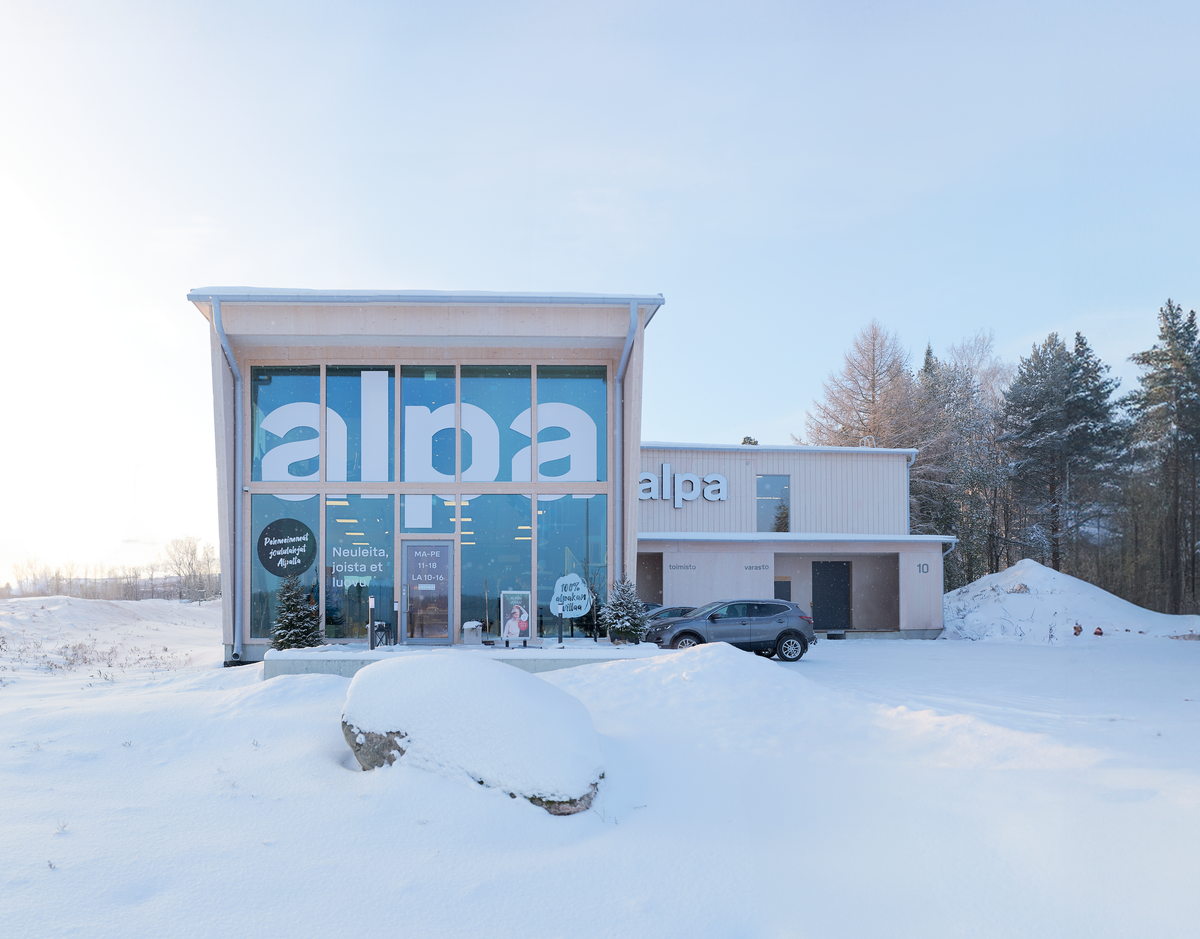
Most of our people work at our premises in Jyväskylä, which are bright, spacious and calm, supporting wellbeing at work. Alpa's staff, our crew, share common values around sustainability, and our work community supports cooperation and pulling together.
Alpa offers the option of hybrid work, except in sales and warehouse roles. Recreational and wellbeing activities are organised locally for employees, and occupational health services are provided by Heltti.
Since 2024, Alpa has offered its employees Smartum employee benefit packages.
7.2. Economic responsibility
Alpa’s financial operations are based on responsibility, transparency and a long-term view:
- Consistent pricing: we don’t run large sales campaigns, so the price reflects the value of the product all year round.
- Long-term partners: we choose reliable and responsible partners over the cheapest supplier, and build lasting relationships with our factories and yarn supplier.
- Products that keep their value: care advice, repairs and resale help Alpa knits stay in use and keep their value for years.
- Quality over quantity: we make products in small batches and replenish stock as needed, to avoid overproduction.
- Impartiality: Alpa does not take part in religious, ideological or political activities.
- Collaborations and influencers: all campaigns, for example with social media influencers, are clearly labelled; our activities are non-aligned and impartial.
Key figures
- Financial year: ends on 31 March; the figures cover 1 April 2024 – 31 March 2025.
- Revenue: €3.6 million (+18.9% on the previous year)
- Operating profit: €290,000
- Wages and salaries: €818,000
7.3. Risk management
Climate-related risks in the supply chain
Alpa's most important raw material, alpaca wool, is produced in the Peruvian Andes, one of the mountain regions in the world most vulnerable to the effects of climate change. Global warming has changed the timing of rainfall and increased drought as well as more severe frosts and weather fluctuations, which makes raising alpacas harder and reduces the productivity of grazing land.
The Andean glaciers have retreated rapidly in recent decades. Melting glaciers reduce the water supply to mountain meadows and wetlands, especially in the dry season. These wetlands are key grazing areas for alpacas, and their deterioration could, in the long term, reduce both the wellbeing of alpaca herds and wool production.
The effects of climate change also affect local communities whose livelihoods depend on raising alpacas. Drought, water scarcity and the deterioration of grazing land can weaken rural vitality and increase migration away from the Andes. Raising alpacas nevertheless remains an important part of the region's culture, biodiversity and local economy.
In the long term, climate change may affect the availability of alpaca wool, production costs and the stability of the supply chain.
Although alpacas are also raised elsewhere in the world, most of the world's alpaca wool production is still concentrated in Peru, which is why changes in the region's climate can be considered a significant long-term risk for our supply chain.
We monitor the situation as part of our supply chain sustainability work and see long-term partnerships as an important way to strengthen the resilience of our supply chain.
Transport emissions from raw material sourcing
Sourcing raw materials such as wool from outside the EU also creates an environmental risk, especially in terms of transport emissions. Long supply chains, for example from South America, increase the carbon footprint of logistics and increase dependence on international transport. This highlights the need to reduce transport emissions, for example by optimising supply chains, making use of the efficiency of sea freight and planning material sourcing so that total transport emissions can be reduced without compromising the quality or availability of raw materials.
Challenges and opportunities of European production
Challenges
Knitwear production in Lithuania, and in Europe more widely, faces significant global competitive pressure, mainly due to the lower production costs of manufacturers in Asia. This creates a structural challenge for European production, especially in price-sensitive product categories, where production easily moves to lower-cost countries. Competitiveness is also affected by energy and labour costs and by the stricter regulatory environment in the EU, which raises production costs but also increases transparency and sustainability requirements.
Advantages
In terms of risk management, the competitiveness of European knitwear production is increasingly based on quality, flexibility and supply chain transparency rather than price. Short lead times, small and agile production runs and high sustainability standards are key competitive advantages over global players. At the same time, EU-level policy and regulation support the continuation of local production by emphasising security of supply, traceability and sustainable value chains, which in turn strengthens the strategic position of European production in the long term.

7.4. Goals
Alpa's long-term core goal is to offer consumers a more responsible clothing choice, to help reduce the emissions of the clothing industry.
Comprehensive responsible business is also the best way to manage supply chain and climate risks and to do our part as well as we can, while encouraging our stakeholders to act responsibly too.
Reducing emissions relative to the growth of our business is also one of Alpa's key goals. In 2019, we set ourselves the goal of becoming carbon neutral in our own operations (Scope 1 and 2) by 2025.
We reached this goal already at the end of 2022, when we moved into new premises and switched to geothermal heating and 100% certified renewable electricity. The energy purchased for our Helsinki and Tampere stores is also carbon-free.
Most of Alpa's climate impact, however, comes from indirect Scope 3 emissions, such as production and logistics.
Calculating our carbon footprint every year is a key tool in managing emissions. It helps us identify the most significant sources of emissions and focus our actions where they have the greatest impact.
In the long term, our most important goal is to genuinely reduce emissions. As our operations grow and costs rise, offsetting is not a sustainable solution, so we focus primarily on reducing emissions where they arise.
What we do in practice:
- Reducing emissions through practical actions, such as using lower-emission freight, reducing waste and recycling more efficiently.
- The textile industry's joint climate commitment: Although Alpa has been carbon neutral in its own operations (Scope 1 & 2) since 2022, working towards carbon neutrality is also important in Scope 3, where all of our company's emissions indirectly arise.
- Annual carbon footprint calculation: we calculate our emissions with the carbon footprint calculator developed for the textile industry, which we received as part of the Finnish Textile and Fashion (STJM) commitment.
- Recycling waste material: We recover all knitting waste from production as well as customers' take-back knits, and aim to upcycle this valuable material for new uses.
- Offering care, repair and circular services: We invest in the care, repairability and resale of our products so that they stay in use for as long as possible.
Thank you for reading our sustainability report!
Sources
Yleistä kamelideista [General information on camelids]. (n.d.). Suomen alpakka- ja laamayhdistys ry. https://www.alpaca.fi/tietoa-elaimista/yleista-kamelideista/
The History of the Alpaca. (n.d.). Retrieved 9 July 2026, from https://www.michell.com.pe/en/alpaca
Dittmann, M. T., Runge, U., Lang, R. A., Moser, D., Galeffi, C., Kreuzer, M., & Clauss, M. (2014). Methane emission by camelids. PloS one, 9(4), e94363. https://doi.org/10.1371/journal.pone.0094363
Hiilineutraali tekstiiliala 2035 -sitoumus [Carbon Neutral Textile Industry 2035 commitment]. (n.d.). Suomen Tekstiili & Muoti. https://www.stjm.fi/palvelut-ja-tietoa-yrityksille/hiilineutraali-tekstiiliala-2035-sitoumus/
amfori. (n.d.). Amfori ESG Risk Compass. Amfori; amfori. https://www.amfori.org/en/solutions/governance/amfori-sustainapass/amfori-esg-risk-compass
Fast fashion: EU laws for sustainable textile consumption. (2020, 29 December). Topics | European Parliament. https://www.europarl.europa.eu/topics/en/article/20201208STO93327/fast-fashion-eu-laws-for-sustainable-textile-consumption
Minimum wage—Peru. (n.d.). https://wageindicator.org/work/minimum-wage/countries/peru/
Miksi yritykset valmistuttavat tuotteita eri maissa? [Why do companies have products made in different countries?] (n.d.). Suomen Tekstiili & Muoti. https://www.stjm.fi/tekstiili-ja-muotiala-suomessa/tiesitko-taman-tekstiili-ja-muotialasta/miksi-yritykset-valmistuttavat-tuotteita-eri-maissa/
The high-altitude quest to save alpacas. (2022, 19 January). Environment. https://www.nationalgeographic.com/environment/article/the-high-altitude-hunt-for-a-way-to-save-alpacas
Sources for the fibre comparison:
Materials Dashboard. (n.d.). Textile Exchange. https://textileexchange.org/materials-dashboard/
Australian Wool Innovation. (n.d.). Retrieved 9 July 2026, from https://www.wool.com/
www.fibre2fashion.com. (n.d.). Global Raw Material Prices—Current & Historical Trends—TexPro. Retrieved 9 July 2026, from https://www.fibre2fashion.com/market-intelligence/texpro-textile-and-apparel/raw-material-prices
Wool & Acrylic Fiber Market Prices – EmergingTextiles.com. (n.d.). Retrieved 9 July 2026, from https://www.emergingtextiles.com/fiber-market-prices/wool-acrylic-fiber-market-prices/
Textile Worker Salaries by Country | Salary Calculator by Country—ERI SalaryExpert. Economic Research Institute. (n.d.). https://www.salaryexpert.com/salary/browse/countries/textile-worker
Sources for the carbon footprint calculation:
Hae päästökertoimia [Search emission factors]—OpenCO2.net. (n.d.) https://www.openco2.net/fi/hae-paastokertoimia?sortBy=updatedYear&sortOrder=desc&page=1
OpenCO2net. (2021, 12 October). Tekstiilialan hiilijalanjälkilaskuri yrityksille [Carbon footprint calculator for textile companies]. OpenCO2net. https://www.openco2.net/fi/asiakastarina/tekstiilialan-yrityksille-uusi-hiilijalanjalkilask/
Homepage | GHG Protocol. (n.d.). https://ghgprotocol.org/
We receive freight emissions data directly from the freight companies.